
Whether you’re in vet school, your final year of university, or have ventured out into the veterinary workforce, there’s one thing most of us are curious about: veterinary mentorship programs.
During university, there’s an emphasis on finding the right practice with the right boss - someone who is supportive, encouraging, and shares their knowledge to help you build your skills. In essence, you’re told to go out and find a job with a good mentor. But that’s easier said than done.
Here is the tricky part: you can’t expect any person to be the perfect mentor, and for them to teach and train you exactly in what you want and need. This idealistic expectation of finding a perfect mentor comes with three main challenges.
So what can you do to overcome these challenges and still find the most suitable mentor for you? Well, the first thing you need to understand is that despite the fact that undoubtedly you and your mentor will learn and benefit from the experience, it is that you as the mentee will need to do the majority of the work.
So are you ready to be a mentee? Discover our three key steps to make sure you’re a properly prepared mentee.
- Are you prepared to put in the effort to maintain the relationship?
- Are you prepared to take action and implement?
- Are you ready for feedback and self-reflection?
This challenge can be overwhelming to think about at first - but as veterinarians we always strive to learn more. If you’d like to master veterinary mentorship, sign up to our mentorship series and receive useful resources to empower you to set yourself and your mentor up for success, all the while having realistic, achievable and communicated expectations.
Setting Clear Goals for Veterinary Mentorship Programs
There’s also a lot to consider when finding a mentor and knowing how to set clear goals is essential. They’re all individuals like ourselves after all, and have unique strengths and skills that may or may not be suited to you. For example, you might be expecting a mentor to teach you veterinary business principles so that one day you can open your own hospital. But that person may
- Not actually know how to do that despite appearing on the outside that they do
- Not be able to teach it to you, as it was previously set up by someone else when they bought the business
- They also may not want to share that private knowledge until you have gained their trust and demonstrated loyalty.
- They may appear successful on the outside, but the rest of their personal life is struggling
Knowing what you want and getting the right mentor is critical, as without it could be a fast track to failure. That’s why we emphasise the importance of getting clear about what you want. Set yourself up for mentorship success by exploring three important questions to help you set your mentorship goals.

Master the Ask
While it’s important to know whether you are ready to do the work (as being a mentee is not easy going), and then also clarify what it is that you are after and the type of mentor you are looking for, there’s one more vital step in mentorship to set yourself up for success: mastering the ask.
We discuss the critical stage of approaching your possible mentor in the right way with the most effective approach. Like any relationship, don’t just go in cold turkey and ask them to be your mentor. Get to know them first and establish a genuine relationship - spend some time getting to know them first. Get out of the clinic and ask them for an informal chat over coffee. While chatting over a coffee is a great way for you to get an impression, treat it as a two-way interview.
Find out more about how to “master the ask” and what factors to consider when approaching a mentor.
What are the challenges of veterinary mentorship programs?
So what should you do when your veterinary mentorship doesn’t go according to plan?
As disappointing as this situation may be, it can be a seriously valuable experience. As we mentioned initially, no mentor is perfect, and finding the correct mentor for you isn’t always a simple process. It can be trial and error, and sometimes finding the incorrect mentor will set you on a clearer path to finding one that’s far more suitable.
There could be many reasons why you and your mentor weren’t compatible. These could include:
- Preference for communication
- Differing mindset
- Learning styles
- Interests and passions

Don’t be disheartened - it’s a scenario that’s all too common and one that almost all of us will encounter at some stage during our veterinary careers. Instead, use this as an opportunity to take a step back, reflect, and learn how to achieve a more successful mentor/mentee relationship in future. Discover our article and use these handy points as a guide to ensure your next mentorship avoids any challenges.
Finding Veterinary Mentorship Through Internship
From preparing yourself, setting clear expectations, through to how to best approach and ask your prospective mentor, there’s a lot to consider. One way to maximise your chances of success in a valuable mentorship program is to consider finding veterinary mentorship through internship.
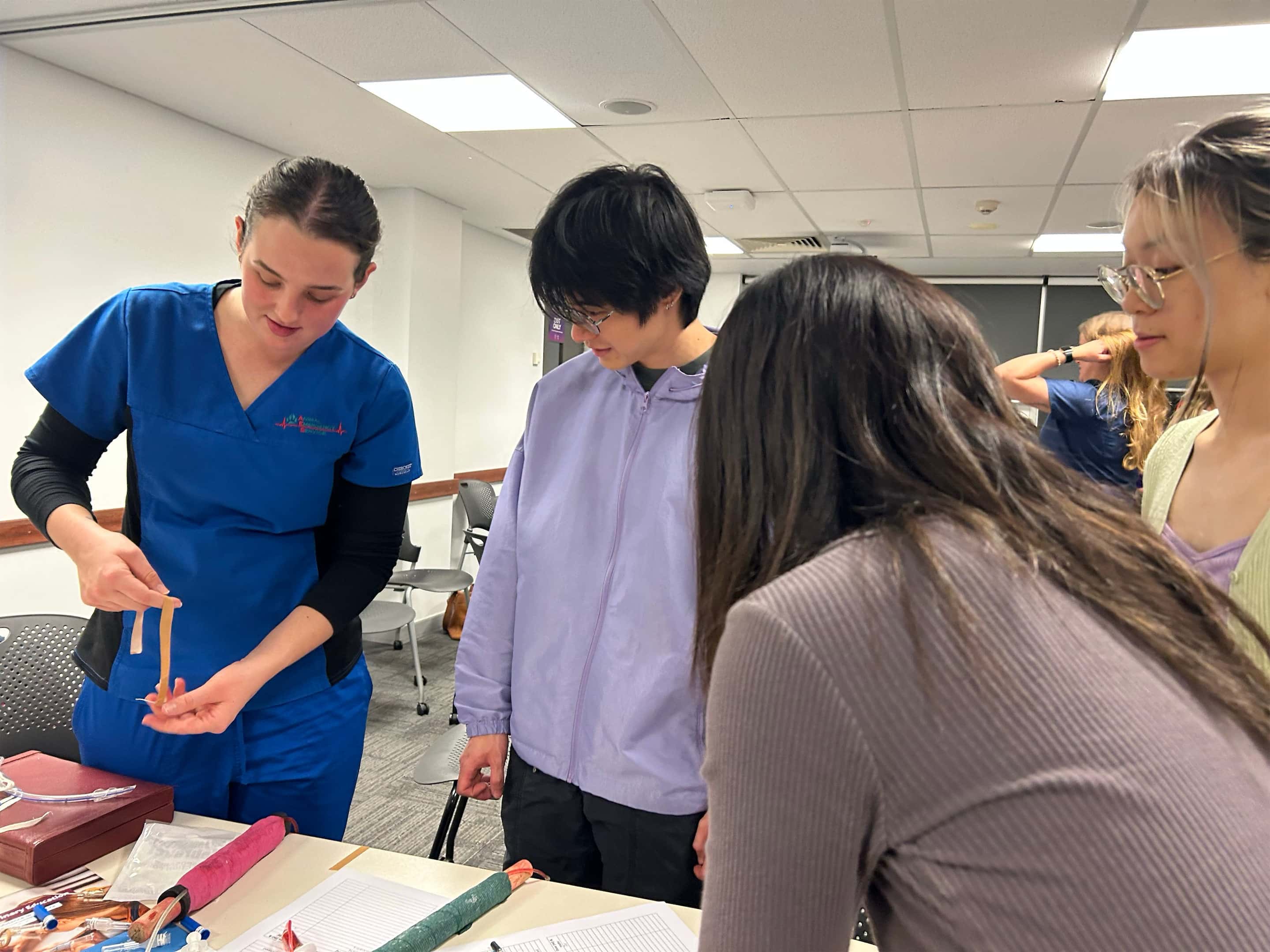
These programs are often tailored towards veterinary students or recent graduates who crave mentorship the most, and are looking for a strong foundation for the start of their veterinary career. Through hands-on guided teaching, clinical shadowing, and working shoulder-to-shoulder with more experienced vets, being part of an internship can be the perfect opportunity to find and work alongside a veterinary mentor suited to your needs.
So how do you know if a veterinary internship is the right fit for you?
When looking for mentorship through internship, find out exactly what should be included in our detailed guide on seeking veterinary mentorship through internship. We discuss three of the key points to ensure are included in an internship for you to secure the mentorship that’s right for you.
- One Mentor, Not Multiple
- Regular Check-Ins
- The Ability to Safely Fail
To explore more, check out our detailed series about veterinary internships, what to look out for and what to avoid in an internship, and how to know if an internship is suitable for you. Also sign up for our personalised 3-part veterinary mentorship programs series below, and receive your tailored mentorship learning program.